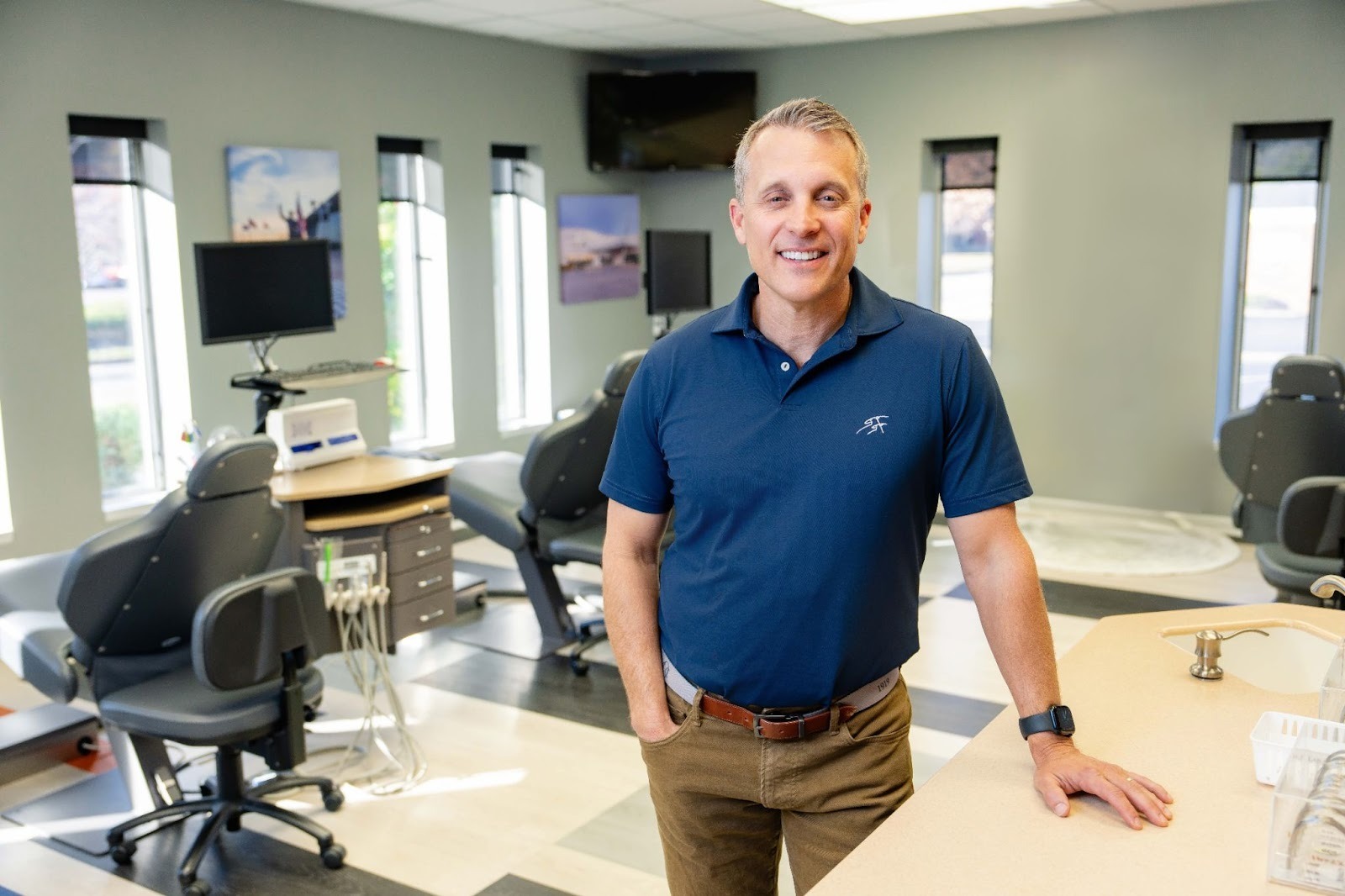
Choosing the right orthodontist shapes your smile for life, so the decision deserves more than a quick online search. The good news? A few smart questions can tell you almost everything you need to know. This guide walks you through how to choose an orthodontist in Owensboro, the questions to ask before you commit, and how to spot a practice that genuinely puts your family first.
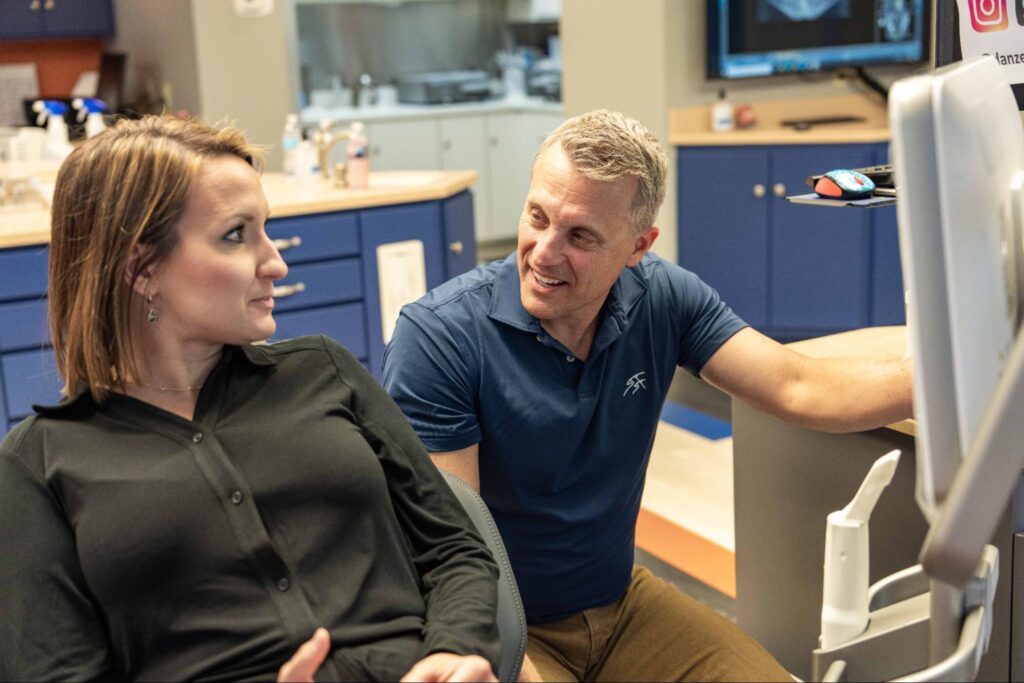
What It Means to Choose the Right Orthodontist
An orthodontist is a dental specialist who completed 2 to 3 years of residency training after dental school, focused entirely on tooth movement, bite correction, and jaw development. That extra training matters because straight teeth aren’t just about appearance. A balanced bite affects how you chew, speak, and protect your enamel for decades.
At Danzer Orthodontics, we believe choosing a provider should feel clear and confident, not overwhelming. The best way to approach it? Treat your decision like a checklist built around four categories:
- Credentials and specialty training
- Treatment options available in-office
- Technology used for diagnosis and planning
- Experience with families like yours
The rest of this guide turns each category into questions you can ask during a free consultation. A good orthodontist welcomes every one of them and takes the time to answer each one thoughtfully.
How to Evaluate an Orthodontist: A Step-by-Step Process
Finding the right fit doesn’t have to be complicated. Here’s a simple process to follow before you commit:
- Verify credentials. Look up the orthodontist on the American Association of Orthodontists (AAO) member directory and the American Board of Orthodontics (ABO) site. Specialty membership confirms the extra residency training.
- Write your questions down. Bring a printed or digital list to every consult. You’ll feel more confident and remember what each practice said when comparing later.
- Attend a free consult. This is where you see the practice in action. At Danzer Orthodontics, your free consultation includes a review of your goals, a visual exam, and a conversation about treatment options. Ask for diagnostic records so you understand your starting point.
- Evaluate the treatment plan. Was it clear? Did the orthodontist explain alternatives? Is everything that’s included spelled out? A good plan reads like a clear guide, not a sales pitch.
- Compare 2 to 3 practices. Side-by-side comparison helps you see differences in training, technology, and overall care. Sometimes you’ll know on day one. Other times, taking a week to think it through is the smartest move for your family.
Same-day starts can be a real convenience, especially for busy families. Just make sure the choice feels right, not rushed.

The Essential Questions to Ask Before You Commit
These are the questions that separate a great practice from an average one. Keep this list handy at every consult.
Are you a board-certified orthodontist and AAO member?
Board certification by the American Board of Orthodontics is voluntary and signals a provider who’s gone beyond the minimum. AAO membership confirms specialty training. Dr. Danzer is actively involved in continuing education and professional organizations, including the American Dental Association and American Association of Orthodontists.
What treatment options do you offer?
A well-equipped practice should offer multiple paths so your plan fits your lifestyle, not the other way around. At Danzer Orthodontics, you can choose from:
- Metal braces for reliable, time-tested results
- Clear braces for a lower-profile look
- Clear aligners, including our proprietary N-Line aligners made in-house
Variety matters because different cases, ages, and preferences call for different tools. Dr. Danzer and the team will walk you through which option best suits your goals.
What technology do you use?
Ask about 3D digital scans, digital imaging, and virtual consult options. Digital scans replace goopy impressions and give Dr. Danzer a precise 3D model for planning. Virtual consults make it easier to get started without an in-person visit upfront.
What is included in my treatment?
This is the question that saves families the most frustration later. A clear answer should cover:
- Initial records and X-rays
- All active treatment visits
- Retainers after treatment
- Refinements or minor adjustments
- Emergency visits for loose brackets or discomfort
Make sure you understand exactly what your plan covers before you sign.
How often are follow-up visits, and how do you handle issues between them?
Most patients visit every 4 to 8 weeks. Ask what happens if a wire pokes on a Saturday or an aligner cracks the night before vacation. A responsive team is part of the care you should expect.
What retention plan do you provide after treatment?
Teeth want to shift back without retainers. Ask what type of retainer is included, how long you’ll wear it, and what happens if you lose or break it.
Orthodontist vs. General Dentist vs. DTC Aligners
Not all teeth-straightening options are created equal. Here’s how they stack up:
| Factor | Orthodontist | General Dentist | DTC Mail-Order Aligners |
|---|---|---|---|
| Specialty training | 2 to 3 years of residency after dental school | General dental training only | No clinical provider |
| In-person exam | Yes | Usually | No |
| X-rays and 3D scans | Yes | Sometimes | No |
| Complex case expertise | High | Limited | Not addressed |
| Emergency care | Included | Varies | None |
| Retainers and follow-up | Standard | Varies | Not typically included |
Orthodontists complete 2 to 3 years of residency focused entirely on tooth movement and bite correction. General dentists are trained in overall oral health and may offer some braces or aligners, but the depth of specialty focus is different.
Direct-to-consumer aligner companies skip the in-person exam, X-rays, and ongoing supervision. According to the American Association of Orthodontists, this approach carries real risks, including bite issues, gum concerns, and results that don’t last. A specialist’s eye catches things a photo can’t.
Who Should Be Asking These Questions?
If any of the following sound like you, now’s a good time to book a free consultation:
- Families with children age 7 and up. The AAO recommends a first orthodontic evaluation by age 7, even if treatment doesn’t start right away.
- Teens choosing between braces and clear aligners. Both work well. The right pick depends on lifestyle, discipline with wear time, and personal preference.
- Adults exploring discreet options. Clear braces and clear aligners make treatment realistic for professionals and busy parents in Owensboro and Hardinsburg.
- Families seeking a second opinion. If a prior consult felt rushed or unclear, a second look is always worth your time.
Also, keep an eye out for red flags:
- Credentials aren’t shared when asked
- High-pressure tactics to sign the same day
- Skipped X-rays or diagnostic records
- Vague answers about what your plan covers
- No clear plan for retainers or emergencies
Danzer Orthodontics welcomes patients of all ages, and every free consult is designed to answer your questions, not pressure you into a decision.
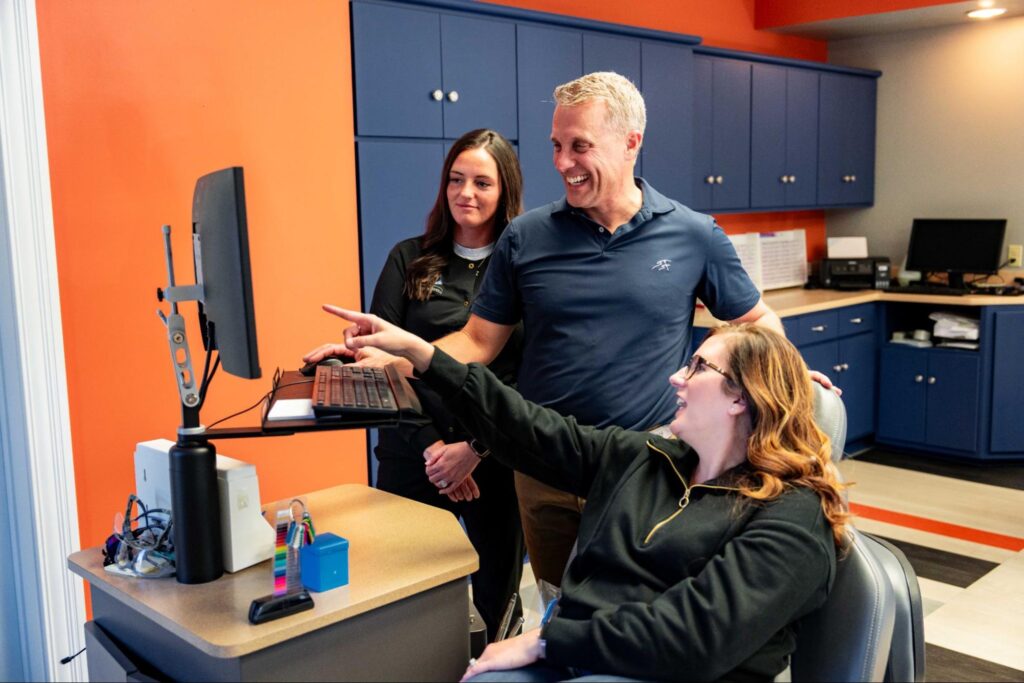
Frequently Asked Questions
What questions should I ask my orthodontist before getting braces?
Ask about credentials, treatment options, included services, follow-up frequency, and the retention plan. You’ll also want to know what your plan covers, whether emergency visits are included, and how the practice handles issues between appointments. A good orthodontist will answer every question openly and never rush your decision.
How do I verify if an orthodontist is board-certified?
Visit the American Board of Orthodontics (ABO) website and search by name or location. You can also check the American Association of Orthodontists (AAO) member directory to confirm specialty membership. Both are free, public resources that take just a minute to use before your first visit.
Should I get a second opinion from another orthodontist?
Yes, if anything about your first consult felt unclear or rushed. A second opinion is standard practice in healthcare, and most orthodontists expect it. Comparing two or three plans helps you understand your options, confirm the recommended approach, and feel confident in your decision.
When should my child have their first orthodontic evaluation?
The American Association of Orthodontists recommends a first evaluation by age 7. Most children won’t need treatment at that age, but an early look lets the orthodontist monitor growth and catch issues before they become bigger ones. Early evaluation is almost always free at Danzer Orthodontics.
Ready to Ask These Questions in Person?
The best way to find your fit is to meet the team, see the technology, and get your questions answered face-to-face. Danzer Orthodontics offers free consultations at both of our locations, with no pressure and no obligation.
- Owensboro Orthodontic Office: 745 Scherm Rd., Owensboro, KY; (270) 926-9890
- Hardinsburg Orthodontic Office: 122 W. 3rd St., Hardinsburg, KY; (270) 926-9890
Bring your list, meet Dr. Danzer and the team, and start your smile journey with confidence. Book your free consultation today.