
What Are Clear Aligners
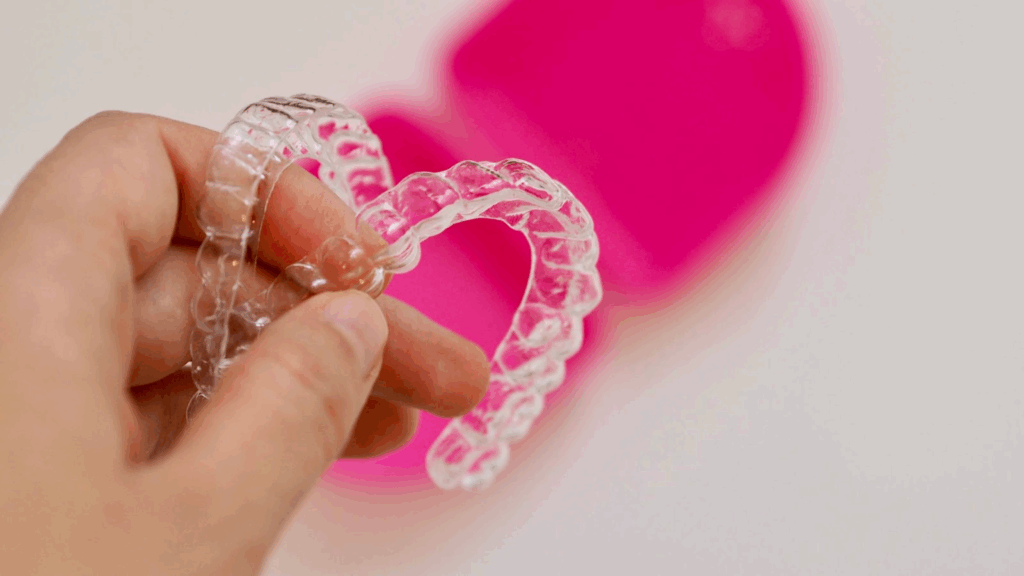
Clear aligners are a teeth straightening system that gradually shifts your teeth into proper alignment without metal brackets or wires. Made from durable medical-grade thermoplastic, these custom-fit trays are nearly invisible when worn and fully removable for eating and brushing.
At Danzer Orthodontics, we use FDA-approved clear aligner technology to help patients across Owensboro and the surrounding communities straighten their smiles discreetly and start the path to a healthier bite.
Each set of aligners is designed specifically for your mouth using 3D imaging technology. You wear them over your teeth like a thin, clear mouthguard. They apply gentle, consistent pressure to guide teeth into their ideal positions over time. Because they’re removable and transparent, most people won’t even notice you’re in treatment.
How Clear Aligners Work: The Treatment Process
Clear aligners work by applying steady, controlled pressure through a series of clear plastic trays. Each tray moves your teeth a fraction of a millimeter closer to their ideal position. You progress through the series over several months, switching trays every one to two weeks. The result? A straighter smile achieved through small, predictable shifts.
Your clear aligners in Owensboro experience starts with a free consult. Dr. Danzer, an orthodontic specialist, uses digital scans to capture a precise 3D image of your teeth. No messy impressions needed. This scan becomes the foundation for your customized treatment plan.
From there, Dr. Danzer maps out each stage of tooth movement using specialized software. You’ll see a virtual preview of how your smile will change from start to finish. It’s a helpful way to picture the end result before you even begin.
Custom aligners arrive next, and you’ll wear each set for one to two weeks before switching to the next. The key? Keeping them in for 20 to 22 hours every day. You only take them out to eat, drink anything besides water, and brush your teeth.
Check-ins happen every six to ten weeks. These appointments are quick. Dr. Danzer examines your teeth, confirms everything is moving as planned, and hands you your next sets of aligners.
Most patients finish treatment in 12 to 18 months, though simpler cases may finish sooner. After your final aligner, you’ll wear retainers to keep your new smile in place. According to the American Association of Orthodontists, retention is essential for maintaining orthodontic results long-term.
Benefits of Choosing Clear Aligners
Clear aligners offer advantages that metal braces don’t offer. Here’s what makes them so popular with families looking into modern orthodontic options:
Are Clear Aligners Discreet?
Yes. The clear plastic blends with your natural teeth. Adults and image-conscious teens love that they can straighten their smile without broadcasting it to the world, which makes day-to-day life feel completely normal.
Can You Remove Clear Aligners?
Fully removable. Take them out for meals, photos, or that big presentation at work. There are no restrictions on your daily life, so the trays fit around your schedule instead of the other way around.
Are There Food Restrictions With Clear Aligners?
None. Popcorn, apples, corn on the cob? Go for it. Just pop your aligners back in once you’ve finished eating, and remember to give your teeth a quick brush first.
Is It Easier to Brush and Floss With Clear Aligners?
Without brackets and wires in the way, you keep your normal oral hygiene routine. Your dentist will thank you, and you’ll likely notice healthier gums during treatment too.
Are Clear Aligners Comfortable?
Smooth plastic edges, no metal pieces poking your cheeks or lips. The trays are polished and designed to fit snugly against your teeth, which feels far gentler than what most people expect from orthodontic treatment.
Do Clear Aligner Patients Have Fewer Office Visits?
Since you change aligners at home, you spend less time in the chair and more flexibility around school, work, and family schedules. That convenience adds up over the course of a full treatment plan.

Clear Aligners vs. Traditional Braces: A Comparison
Choosing between clear aligners and metal braces? Both options deliver excellent results. The right choice depends on your lifestyle, case complexity, and personal preferences. For a deeper side-by-side breakdown, our Braces vs. Invisalign guide walks through the differences in detail.
| Factor | Clear Aligners | Traditional Braces |
|---|---|---|
| Appearance | Nearly invisible clear plastic | Visible metal brackets and wires |
| Removability | Fully removable for eating and cleaning | Fixed throughout treatment |
| Food Restrictions | None | Avoid hard, sticky, and crunchy foods |
| Oral Hygiene | Brush and floss normally | Requires special tools and extra time |
| Comfort | Smooth plastic, no poking | May cause irritation from wires |
| Treatment Time | Typically 12-18 months | Typically 12-24 months |
| Best For | Mild to moderate cases | All case types, including severe |
Metal braces remain the gold standard for complex orthodontic cases. They handle severe crowding, significant bite issues, and cases requiring precise tooth rotation more predictably. Clear aligners work beautifully for mild to moderate alignment concerns.
Cost ranges are typically similar between both options. Your specific price depends on case complexity and treatment length rather than the type of appliance.
Clear Aligner Cost Factors: What Affects the Price
Clear aligner treatment typically costs $3,000 to $8,000, depending on case complexity, treatment length, and provider experience. It’s an investment in your smile and your confidence. Several factors influence your final cost:
| Cost Factor | Impact on Price |
|---|---|
| Case Complexity | More complex cases require more aligners and longer treatment |
| Treatment Duration | Longer treatment = more aligners = higher cost |
| Geographic Location | Costs vary by region and local market rates |
| Provider Experience | Specialized orthodontists may charge differently than general dentists |
| Additional Treatments | Attachments, refinements, or preliminary dental work |
Your actual cost will fall somewhere in that range based on your unique situation, and the only way to get a precise quote is through a personal evaluation.
Good news on the financial side: many dental insurance plans cover a portion of orthodontic treatment, including clear aligners. HSA and FSA funds can also help offset costs. At Danzer Orthodontics, we offer people-first finances designed to fit your family’s budget. A beautiful smile should be accessible.
Your free consultation includes a complete cost breakdown with no surprises.
Who Is a Good Candidate for Clear Aligners?
Clear aligners work wonderfully for many families, but they’re not the right fit for everyone. So who tends to see the best results? Take a look:
Ideal candidates include:
- Teens and adults with mild to moderate crowding or spacing
- Families dealing with overbite, underbite, or crossbite concerns
- Anyone committed to wearing aligners 20 to 22 hours daily
- People with good overall oral health (no active cavities or gum disease)
- Those who want a discreet treatment option
Cases that may need alternatives:
- Severe skeletal jaw discrepancies
- Significant tooth rotation or vertical movement needs
- Young children whose teeth and jaws are still developing
- Families who may struggle with daily compliance
Adults weighing their choices may also want to read about other discreet orthodontic options for adults before deciding.
The only way to know for sure? A consult. At Danzer Orthodontics, Dr. Danzer evaluates your teeth, bite, and goals to determine whether clear aligners will give you the results you want. If they won’t, he’ll recommend the treatment that will. Not sure which category you fit into? That’s exactly what your free consultation is designed to answer.
Frequently Asked Questions About Clear Aligners
Are clear aligners uncomfortable?
Most patients feel mild pressure or tightness when starting a new set of aligners. This feeling typically lasts one to three days and signals that your teeth are moving. It’s more “awareness” than soreness. Over-the-counter relief helps if needed, but many patients don’t need it at all.
How long does treatment take?
The average treatment lasts 12 to 18 months. Simpler cases with minor spacing or crowding may finish in as few as six months. More complex cases can take up to 24 months. At Danzer Orthodontics, Dr. Danzer provides a timeline estimate during your free consultation based on your specific needs.
Can I eat with clear aligners in?
No. Always remove your aligners before eating or drinking anything other than water. Food particles can get trapped and cause cavities. Hot beverages can warp the plastic. Colored drinks can stain the trays. Pop them out, enjoy your meal, brush your teeth, and put them back in.
How often do I clean my aligners?
Rinse your aligners every time you remove them. Give them a gentle brush with a soft toothbrush and clear liquid soap once or twice daily. Avoid toothpaste, which can scratch the plastic and make it look cloudy. Some patients use denture cleaner or specialty aligner cleaning crystals for a deeper clean.
Will clear aligners affect my speech?
Some patients notice a slight lisp during the first few days with new aligners. Your tongue needs time to adjust to the plastic. This minor effect usually disappears within a week as you get used to speaking with the trays in place. Reading aloud can help speed up the adjustment.
What happens if I lose an aligner?
Contact your orthodontist right away. Depending on where you are in treatment, Dr. Danzer may have you move to your next set early or wear your previous set while a replacement is made. Don’t skip aligners or go without wearing anything. That allows teeth to shift out of position and can extend your overall treatment time.